
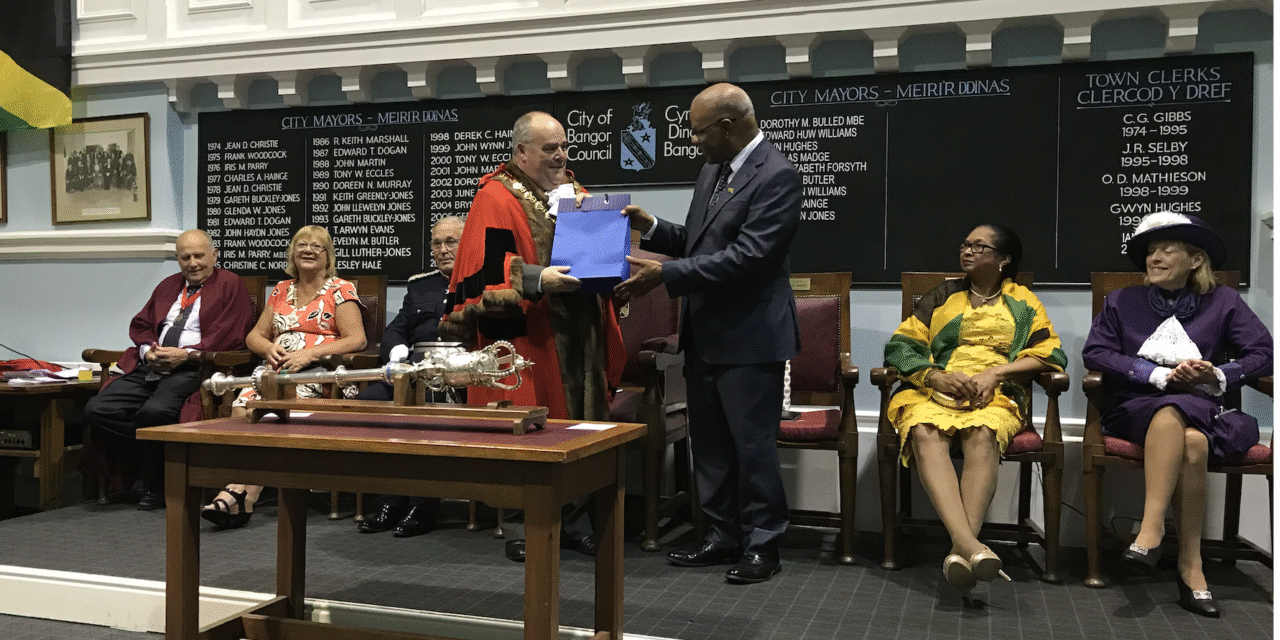
As Black History Month begins this October, communities across North Wales are marking the occasion by reflecting on the region’s shared history with Jamaica and beyond.
Over recent years, groups such as the North Wales Jamaica Society, Learning Links International (LLI), NWAMI and NWREN have helped uncover these stories. NWAMI – Networking for World Awareness of Multicultural Integration – promotes multicultural understanding through cultural exchange and education, while NWREN – the North Wales Regional Equality Network – works across the six counties of North Wales to tackle discrimination and promote equality. Together, they have played a key role in ensuring local Black history is recognised.
Bangor-based LLI has led landmark projects connecting local industry and global history. In 2019, its Heritage Lottery-funded From Sheep to Sugar project traced how Welsh woollen cloth, “Welsh Plains,” became part of the Atlantic slave trade. More recently, LLI launched Black History Conversations online during the pandemic, opening weekly discussions about Penrhyn Castle and its links to slavery, including the Jamaican tenant strike of 1938 that forced the Pennant family to sell its plantations.
The ties between Jamaica and Wales were strengthened in 2018 with a visit from the Jamaican High Commissioner, which led to the creation of the Jamaica Wales Alliance. In 2024, the mayors of Bangor and May Pen exchanged letters of support for twinning the two communities.
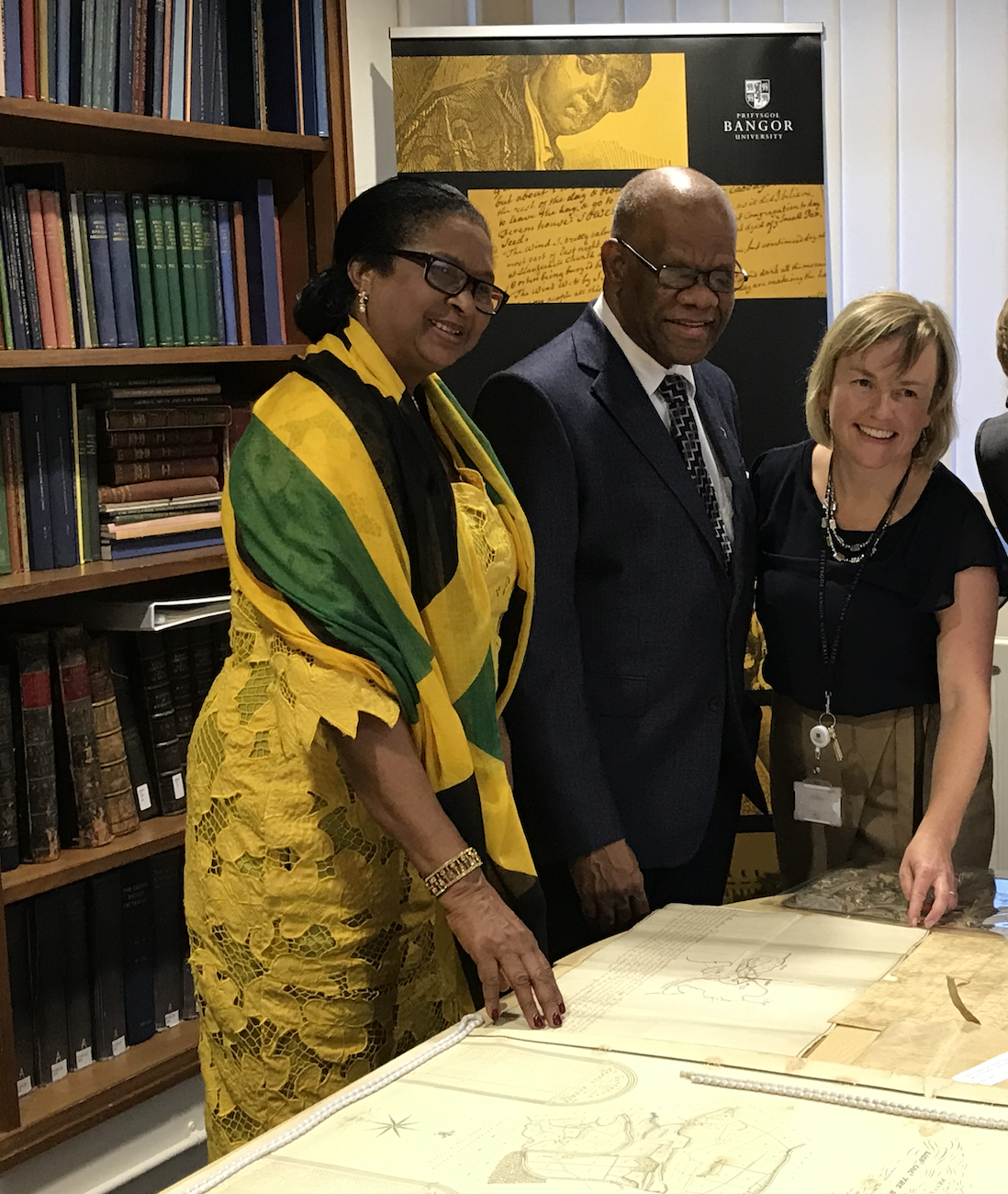
This month, the partnership comes to life as a delegation from Jamaica visits Wales through the Welsh Government’s Taith programme. Events include a reception at the Senedd on 7 October hosted by Vaughan Gething MS, and a Civic Reception in Bangor on 10 October. The group will also visit Penrhyn Castle for a talk on the tenant strike led by descendants of those involved.
Other highlights include school visits by Jamaican education leader Barrington Richardson and poetry workshops with Dub poet Yasus Afari, who has long-standing links with Wales.
These events build on work begun during the 2007 bicentenary of the abolition of the slave trade, when Penrhyn Castle hosted landmark projects uncovering the Pennant family’s 250 years of plantation ownership in Jamaica. Today, research continues at Bangor University Archives, where plantation records have been preserved. North Wales Jamaica Society member Lesley Evans is currently documenting the names of enslaved people connected to the Pennant estates, ensuring their stories are remembered.
From local archives to international friendships, Black History Month in North Wales this year is not just about remembrance but about building bridges for the future.

