
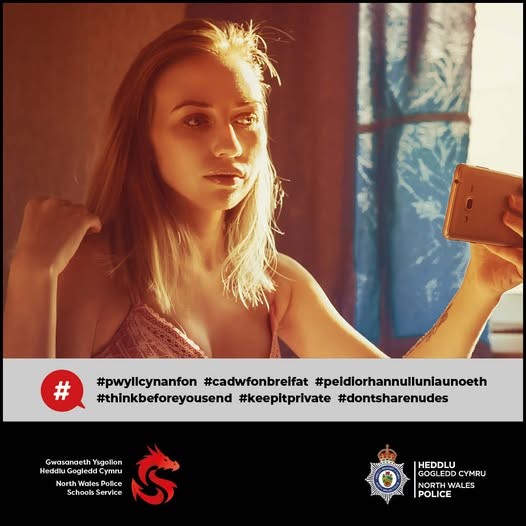
A new campaign launched by North Wales Police to help ensure the safety of young people online and warn them against the dangers of ‘sexting’ has been praised by the region’s Police and Crime Commissioner (PCC) Andy Dunbobbin. The campaign has been shared via North Wales Police’s social media and led by school liaison officers from North Wales Police, spearheaded by School Police Officer, Lee Woodworth, who is based in Flintshire.
Taking and sending sexually explicit images or messages via mobile phones, the internet and other electronic devices, known as “sexting”, has grown among young people in recent years. But the trend has several dangers. Images could be shared on social media sites without permission and this could make the young people involved the subject of bullying, threats or manipulation. Young people can be severely impacted by these actions, which can lead to mental health concerns and worries about how the sharing of this content might impact their future.
Since September last year, school Police Officers in North Wales have delivered 159 ‘Risky Pics’ lessons to secondary school pupils across the region – reaching 4,006 pupils and 221 adults. The lessons have proved effective and been requested by schools across the area. Bilingual posters of both a male and female victims warning of the dangers of sexting have been forwarded to all secondary schools and shared with pupils and parents at the schools’ request.
Additionally, North Wales Police school officers have created a bilingual survey which has been forwarded to all secondary schools. The expectation is that these are shared with learners and parents to further find out the extent of the problem. As the topic of sexting can be uncomfortable to talk about in the company of their peers, the idea is that young people might feel better responding to an anonymous questionnaire.
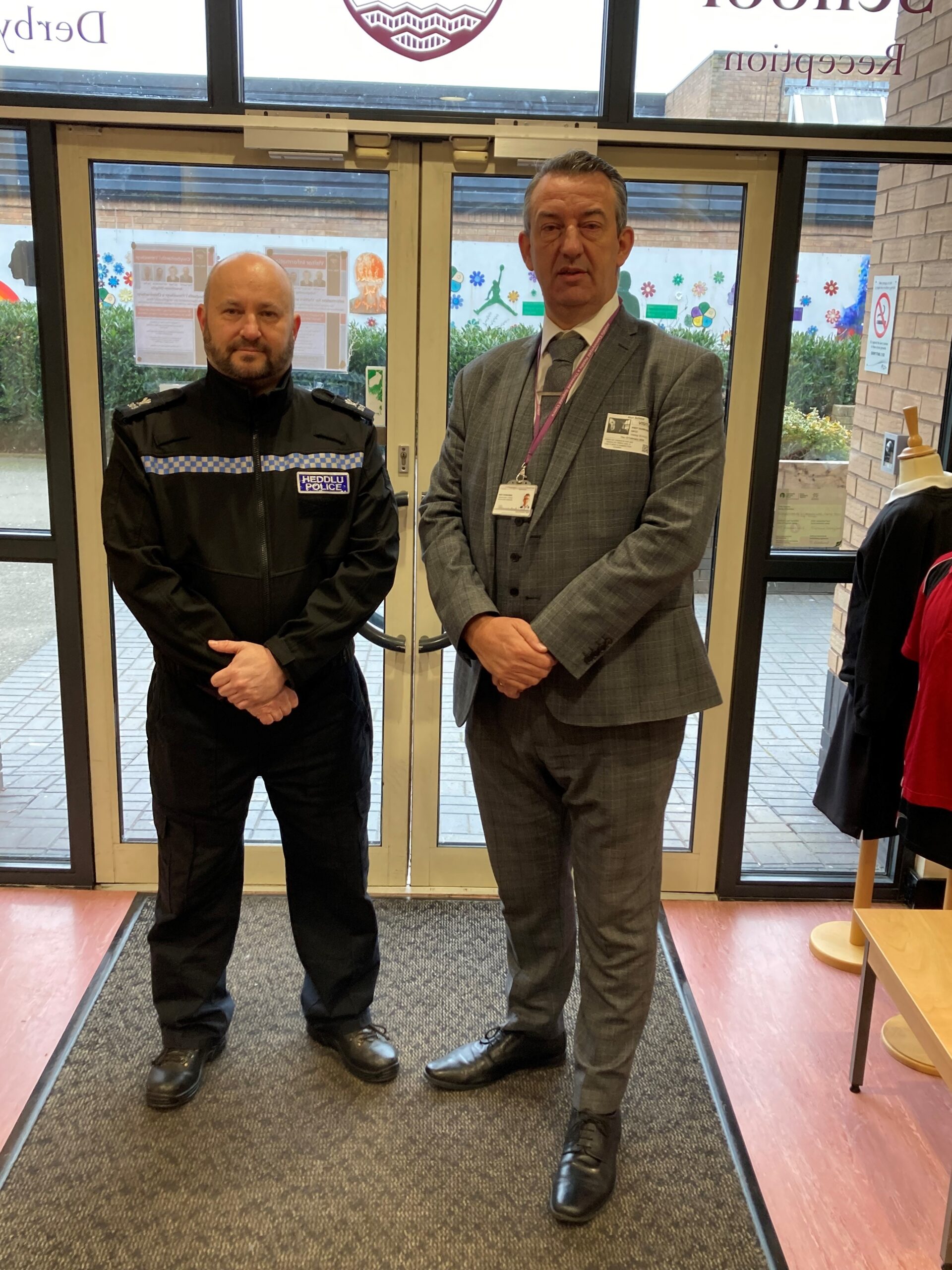
Police and Crime Commissioner Andy Dunbobbin commented: “Keeping young people safe online is incredibly important to me as Police and Crime Commissioner for North Wales. The online world can give people a lot of opportunity and freedom, but it can also have negative aspects and its effect on young people can be detrimental to their mental health. Sexting has become more popular among young people and it is important that they are made aware of its potential effects.
“I pay tribute to this new campaign from the officers and staff of North Wales Police, which has proven very effective in teaching young people about sexting and its dangers. If the young people know that there are people who they are able to talk to regarding the risks of sexting, they can then learn more about it and reduce the chance of it happening. I hope this campaign can help even more young people to understand the consequences and dangers of sexting and the effect it can have.”
North Wales Police School Police Officer, Lee Woodworth said: “We know that sexting in under-18s is an increasing issue which is reflected nationally, not just here in North Wales. However, the increased reporting has highlighted why it is important to educate young people about the potential consequences of sexting and encourage parents and carers to have open and honest conversations with their children about it.”
“Technology has become ever more advanced and available. This is why this campaign is so important. By educating young people about the law surrounding sexting and the potential consequences of sending these types of images, we can help them to avoid making decisions which they later regret.”
“Safeguarding is at the forefront of all that we do with children and young people, and we want to re-affirm to young people and parents/carers that we are here to help when they need us.”
To learn more about the campaign, you can visit North Wales Police Young Person’s Hub page on Facebook here: www.facebook.com/NWPYoungPersonshub