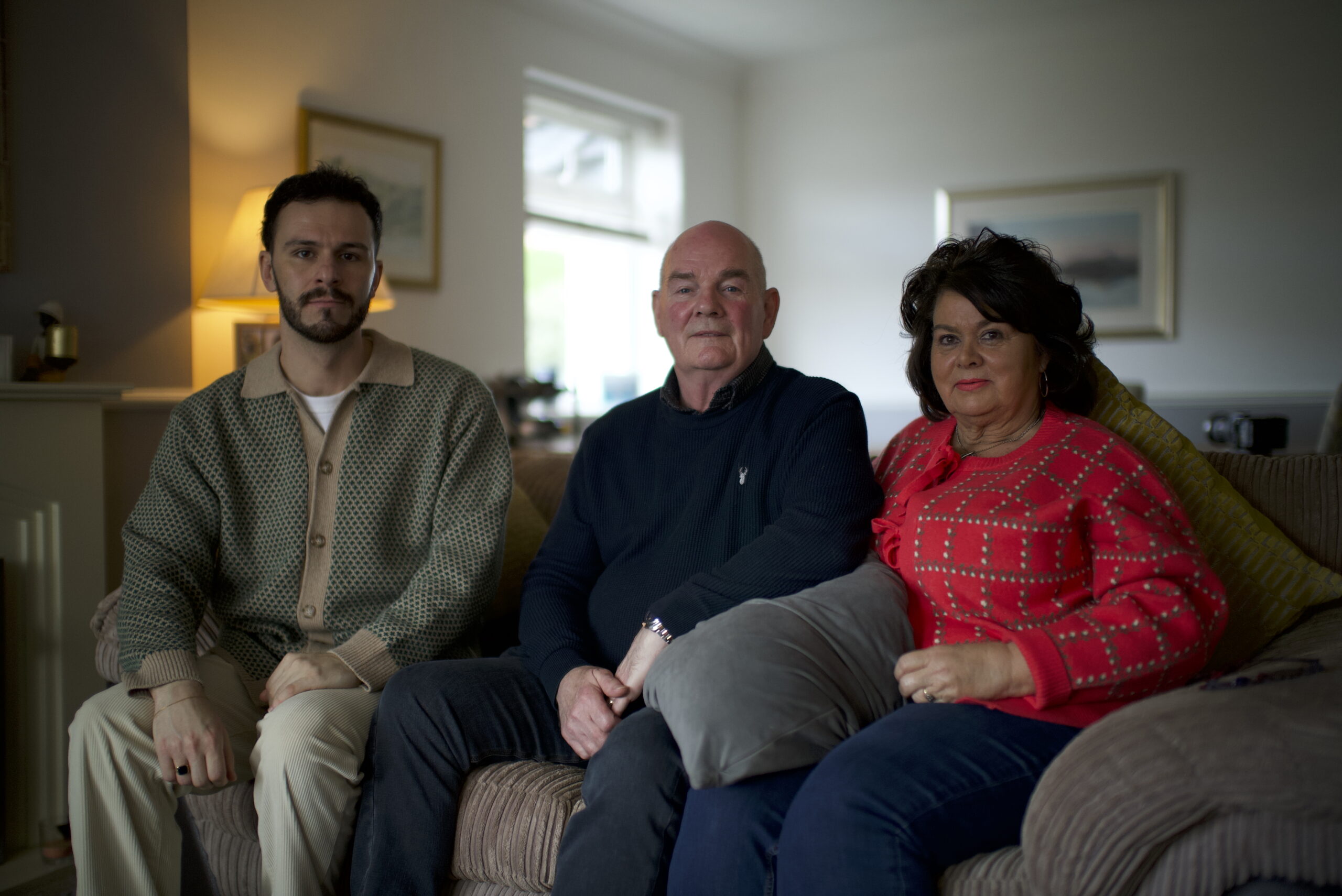
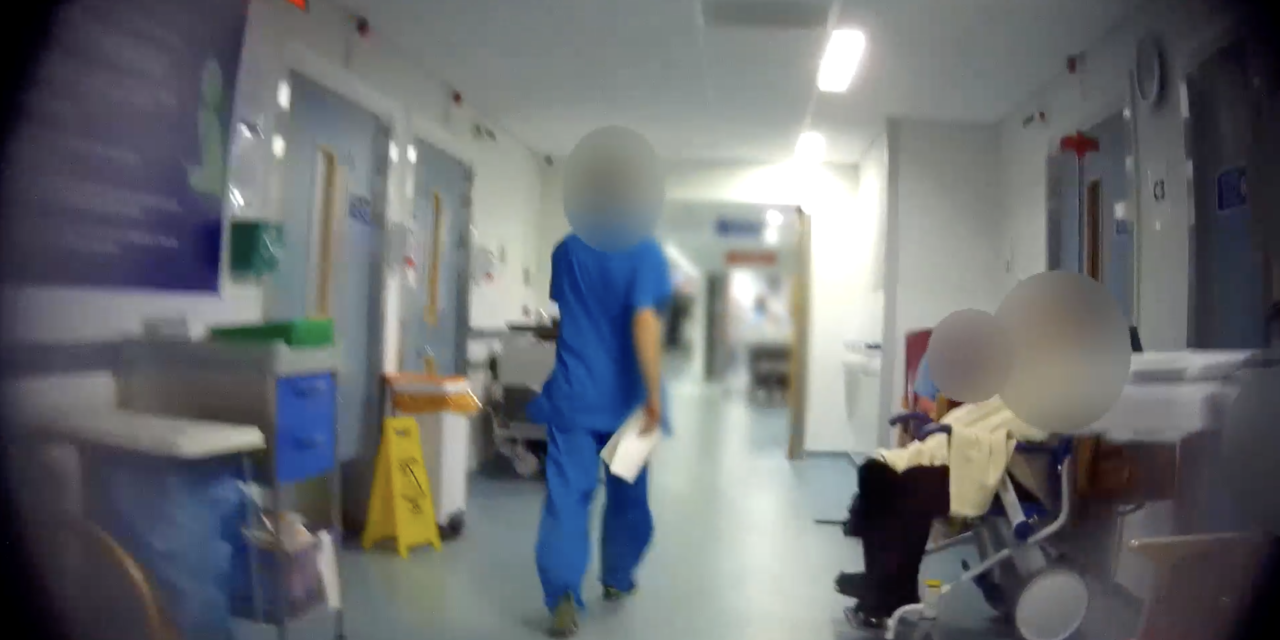
A 68-year-old man from Deganwy has spoken to S4C’s current affairs programme Y Byd ar Bedwar about his “frightening” experience after spending 44 hours on a hospital corridor at the emergency department of Glan Clwyd Hospital in October 2025.
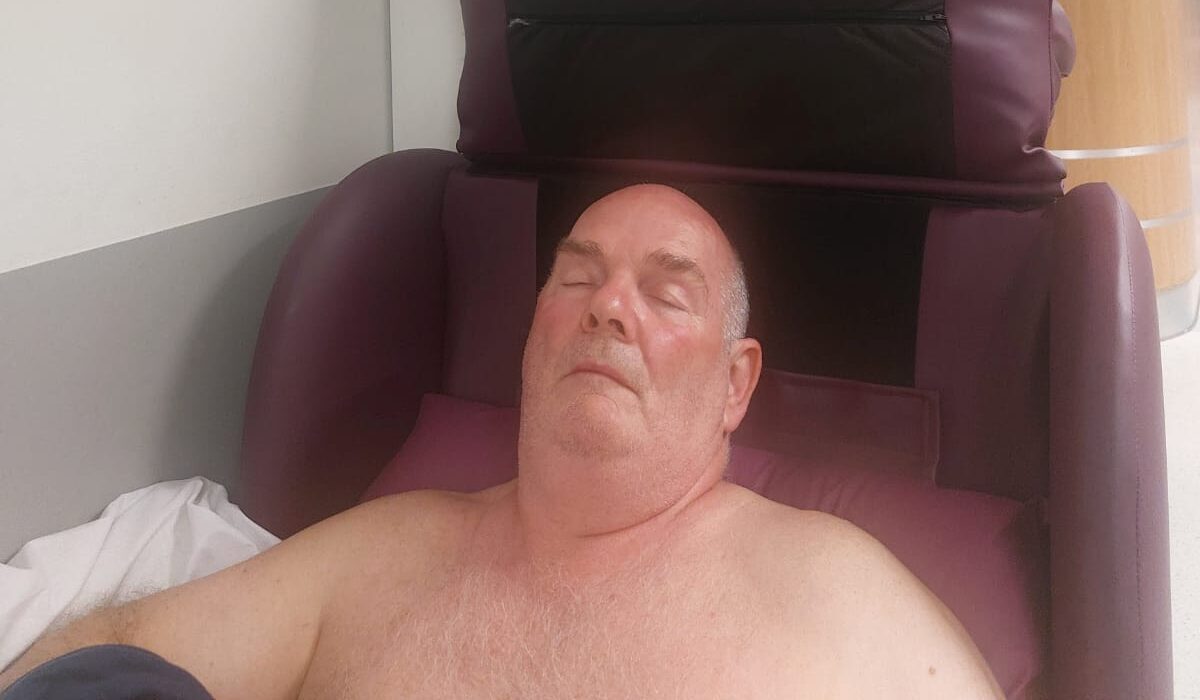
Steve Jones attended the hospital after suffering severe stomach pains. After being assessed by the triage team, he was placed on a corridor where he remained for nearly two days before receiving a diagnosis and an operation.
Mr Jones described the conditions as resembling a “warzone” and said he feared he might die while waiting on the corridor.
His partner, Haf Poole, a former nurse at Wrexham Maelor Hospital, stayed with him throughout the experience. She said the environment was unsafe and unsuitable for medical care.
“On a corridor it isn’t safe. There were no monitors, no drip stands – nothing really. I felt he should have been in a cubicle with a nurse looking after him,” she said.
After a doctor initially suggested Mr Jones could return home, Ms Poole challenged the decision as she believed he was not well enough to be discharged. Following this, he received a scan and further assessment.
Doctors later discovered his gallbladder had become severely infected and gangrenous. He underwent surgery on his third day in hospital to remove the organ.
Ms Poole said she believes the outcome could have been fatal had he been sent home.
Mr and Mrs Poole’s interview is part of an investigation by S4C’s current affairs programme Y Byd ar Bedwar, which reveals that nearly 89,000 patients were treated on corridors or in other non-clinical environments in hospitals run by Betsi Cadwaladr University Health Board between 2022 and the end of October 2025.
According to the data, patients spent an average of nearly 10 hours receiving care on corridors at Glan Clwyd Hospital last year – the longest average time among hospitals in North Wales.
The longest individual wait was recorded at Ysbyty Gwynedd in 2024, where one patient remained on a corridor for more than five days.
A nurse working at Ysbyty Gwynedd, who spoke anonymously to Y Byd ar Bedwar’s presenter Siôn Jenkins, described corridor care as a “crisis”.
“It’s daily now. You go to work expecting to see patients on the corridor,” the nurse said.
Dr Phil White, Deputy Chair of the Welsh Council of the British Medical Association, said the situation was unacceptable and raised serious concerns about patient safety and privacy.
“There is no privacy and insufficient staff to properly monitor patients in these circumstances,” he said.
Betsi Cadwaladr University Health Board has said reducing corridor care is a priority, but recent undercover filming by Y Byd ar Bedwar shows the scale of the problem with dozens of patients being treated in corridors in emergency departments across North Wales.
RESPONSE
Betsi Cadwaladr University Health Board:
Carol Shillabeer, Chief Executive at Betsi Cadwaladr University Health Board, said: “We recognise that too many patients are waiting longer than they should in our Emergency Departments, and that this can be distressing for patients, their families and for the staff who want to provide care in the right environment. Providing care with dignity, compassion and respect is fundamental to us, and we fully recognise the anxiety and upset caused when patients are treated in corridor areas.
“Like NHS organisations across the United Kingdom, we are experiencing both significant demand for urgent and emergency care and challenges in the timely discharge of inpatients from hospital. At times, this means some patients wait longer to be seen, receive treatment and be admitted. Unfortunately, some patients are cared for in non-designated or corridor spaces. We have put in additional clinical oversight to help ensure patient safety however we know this can be a distressing experience for patients, their families and our staff. We are very sorry to anyone who has experienced long waits or received care in these circumstances.
“Improving patient experience in our Emergency Departments, and supporting our staff to provide the best care possible, is the top priority for the Board. Working closely with our local authority partners, we are implementing a significant programme of improvement across the health and social care system to improve the flow of patients through our hospitals, include safe discharge. We are also learning from best practice with a team of external experts working within the health board bringing experience from across the UK.
“Despite challenging circumstances, staff in our Emergency Departments and right across the Health Board provide expert emergency care day in, day out, 24 hours a day. We know that the vast majority of the public respect and support them to do this really important work.”
Welsh Government:
“We are clear that it is not acceptable to provide care in non-clinical or unsuitable settings. It puts patients’ dignity at risk and affects the safety and wellbeing of staff, and we are determined to end this practice through system-wide reform.
“We have deployed an experienced intervention team in North Wales to support the health board in improving patient experience and outcomes, as part of the Level 5 special measures process. We have also committed an additional £200 million across Wales to better manage staffing, same-day emergency care, and community services, with a further £2.7 million specifically for Betsi Cadwaladr to reduce pressure on emergency departments.
“We continue to discuss concerns relating to patient experience and the safety of both patients and the workforce directly with senior leaders at the health board, and we will continue to hold the health board to account through established oversight arrangements.”
Watch Y Byd ar Bedwar: Gofal ar Goridorau Monday night at 20:00 on S4C, S4C Clic and BBC iPlayer with English subtitles available.