
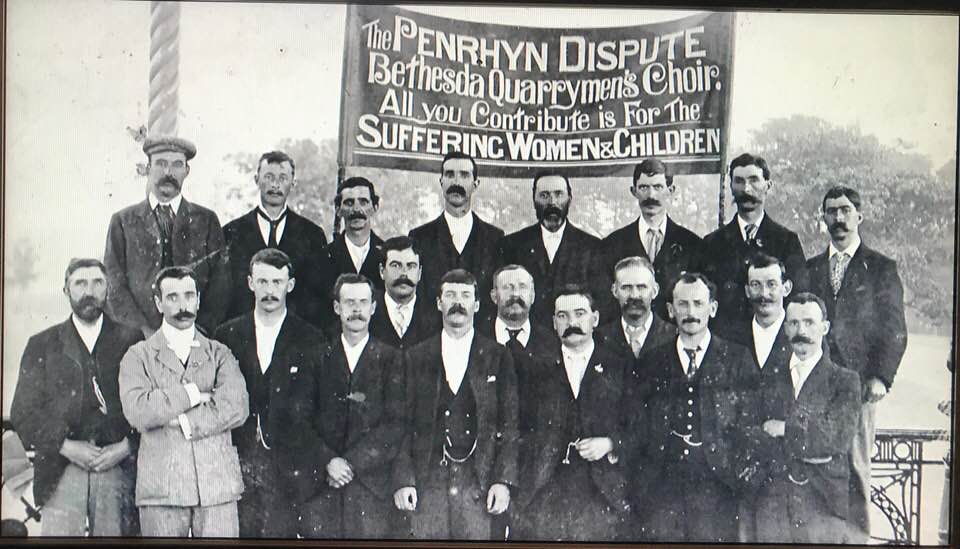
This year marks 125 years since the beginning of the Great Penrhyn Quarry Strike, the longest industrial dispute in British history. First declared on 22 November 1900, the strike, often described as a lock-out, transformed the community of Bethesda and left a lasting mark on Welsh social and industrial history.
The Penrhyn estate was controlled at the time by George Sholto Gordon Douglas-Pennant, 2nd Baron Penrhyn. His family had accumulated great wealth through land ownership, Jamaican sugar plantations, and slate. Historians note that the family’s 18th–19th century wealth was partly linked to estates in Jamaica worked by enslaved people, and compensation was claimed after the abolition of slavery, a fact that continues to cast a shadow over the family’s legacy.
By the late 19th century, the Douglas-Pennant family controlled the largest slate quarry in the world, and Lord Penrhyn held enormous authority over the livelihoods of thousands of quarrymen. He was known for:
- a rigid anti-union stance
- centralised, autocratic management
- a refusal to recognise the North Wales Quarrymen’s Union
- large-scale sackings of men involved in union organising
His approach was seen by many in the quarrying districts as heavy-handed, confrontational and unwilling to compromise.
Working Conditions: Hard, Dangerous and Uncertain
Before the strike, Penrhyn Quarry workers endured some of the harshest industrial conditions in Wales:
The “Bargain System”
Quarrymen worked in small gangs and were paid according to the quality and quantity of slate produced. If a gang received a poor “bargain” (an unproductive section of rock), their pay could fall drastically, sometimes to almost nothing after expenses. This created deep wage insecurity, even for highly skilled men.
Long Hours and Hazardous Work
The men worked among rock faces hundreds of feet high, with regular blasting, falling slate fragments and dangerous drops. Injuries were common: crushed limbs, lost fingers, shattered hands. Accidents were frequent and sometimes fatal.
Strict Discipline
Management imposed tight controls, including:
- steep fines for minor rule breaches
- dismissal of men who challenged decisions
- surveillance and pressure from officials who were often non–Welsh speaking, causing cultural tension
Lack of Representation
Lord Penrhyn’s refusal to allow union activity inside the quarry was a central driving force behind the strike. The men felt they had no voice, no negotiation rights and no protection against unfair dismissal.
Together, these conditions built up years of resentment long before the events of 1900.
A Community Transformed Overnight

At the turn of the 20th century, Penrhyn Quarry was the largest slate quarry in the world, employing nearly 3,000 men. The quarry dominated the local economy and shaped everyday life in the Ogwen Valley.
When the dispute began in late 1900, around 2,800 quarrymen suddenly found themselves without work. Tensions had grown over pay, conditions and the right of the North Wales Quarrymen’s Union to represent the workforce. The conflict quickly escalated, dividing the community as some men returned to work while others remained out for the duration.
Homes throughout Bethesda displayed window cards reading “Nid oes Bradwr yn y tŷ hwn” (“There is no traitor in this house”), signalling solidarity with the strike and the men who refused to return. Those who did go back were labelled bradwyr (traitors), a division that would leave deep scars within the community.
Prosecutions and the March from Bethesda to Bangor
Early in the dispute, a confrontation between quarrymen and contractors led to 26 men being prosecuted on assault charges. Their arrest outraged the community and inflamed the dispute further.
Around 2,000 quarrymen marched from Bethesda to Bangor in support of the accused men and to protest the actions of quarry management and authorities. The procession was both peaceful and highly visible — one of the most significant demonstrations in North Wales at the time.
The march underlined the scale of the crisis and the determination of the workforce. It also increased national attention on the conflict and intensified the involvement of unions and public supporters across the UK.
Hardship in “Desolate Bethesda”
The strike lasted for three years, bringing severe economic hardship. Contemporary reports described Bethesda as “desolate,” with many families forced to sell furniture and possessions to buy food and fuel. Teachers noted illness among underfed children, and local shops struggled as families lost the means to pay.
Despite these conditions, support for the quarrymen extended across Wales and beyond. Trade unions, chapels and choirs raised funds, and public collections helped sustain families through successive winters. Touring groups such as the Penrhyn Welsh Ladies’ Choir raised significant amounts for relief.
A Giant Christmas Pudding
One of the most memorable positive events of the strike occurred during the Christmas season, when supporters sent a 2½-ton plum pudding to the quarrymen and their families. The event was widely reported and remembered locally as a morale-boosting gesture during an otherwise bleak period. Children in Bethesda even learned a song about the pudding, reflecting the community’s appreciation and defiant humour.
Return to Work and the End of the Strike
In June 1901, Lord Penrhyn reopened the quarry and gradually rebuilt a much smaller workforce. Around 700 men reluctantly returned, while an estimated 2,000 had already left the area, many heading to the coalfields of South Wales in search of work, a shift that permanently altered the community of Bethesda.
By November 1903, with relief funds exhausted and negotiations stalled, the strike came to an end. Some of the remaining men went back reluctantly, while others chose to emigrate or find employment elsewhere in Wales or England.
Faith, Resolve and Lasting Impact
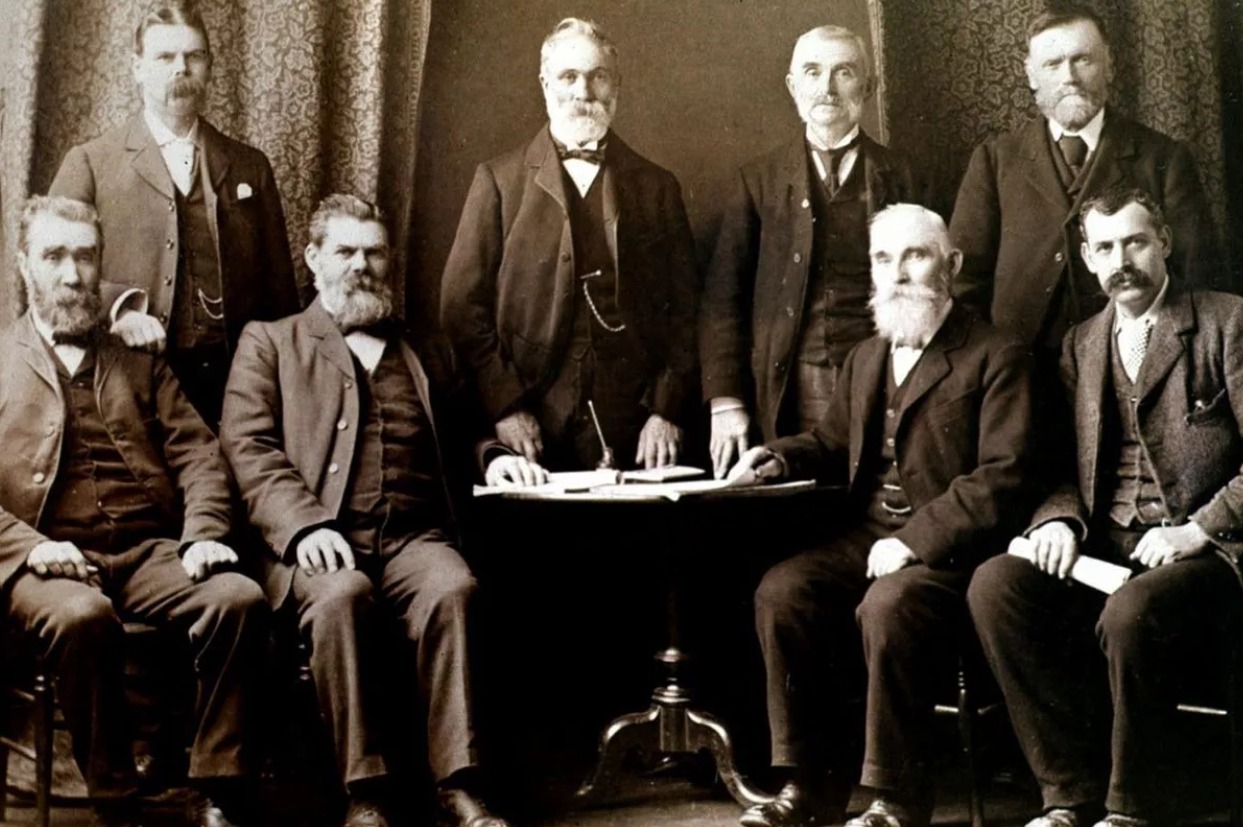
Throughout the dispute, the chapels of Bethesda played a central role in organising relief, maintaining community morale and holding services during difficult winters. Christmas celebrations continued each year, albeit in more modest circumstances, with hymns and worship providing comfort amid uncertainty.
The strike formally ended in November 1903, but its effects lasted for generations. The divisions it created were slow to heal, and the economic toll on the valley was significant. However, the event also became a symbol of collective resolve and the struggle for workers’ rights in Wales.
125 Years Later
Today, the Great Penrhyn Strike is remembered as a defining moment in Welsh industrial and social history. Its anniversary provides an opportunity to reflect on the resilience of the people of Bethesda, the challenges faced by quarrying communities and the importance of solidarity in times of hardship.
Local heritage groups and historians continue to mark the event, ensuring that the experiences of the quarrymen and their families, especially during those difficult Christmases, remain part of the region’s shared story.


