
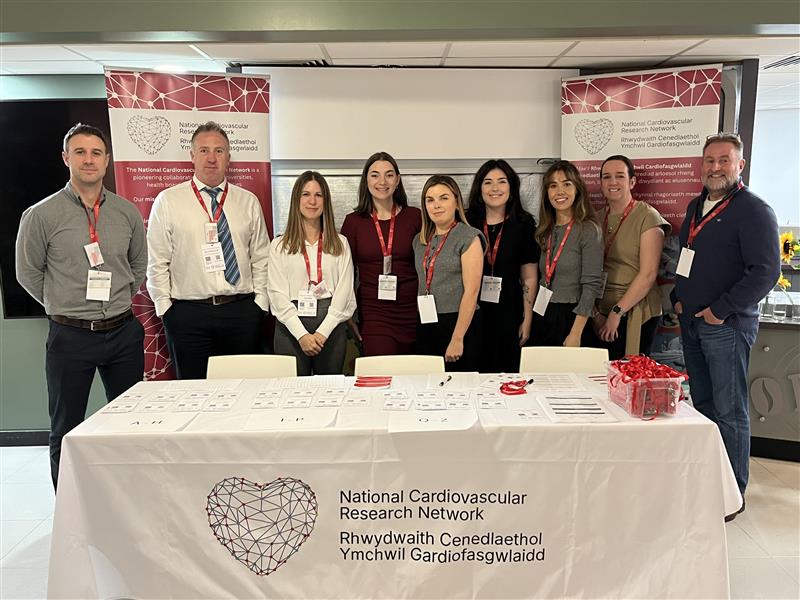
Researchers from Bangor University are set to play a role in a major new UK-wide programme aimed at tackling inequalities in cardiovascular disease.
The National Cardiovascular Research Network has secured landmark funding as part of a £50 million national consortium focused on preventing, diagnosing and treating heart disease.
The initiative is being delivered through the National Institute for Health and Care Research Cardiovascular Disease Inequalities Challenge Consortium, working in partnership with the British Heart Foundation.
Cardiovascular disease remains the biggest killer in Wales, accounting for around a quarter of all deaths and affecting hundreds of thousands of people.
However, health experts say the impact is not felt equally across society. People living in rural areas, deprived communities, and certain ethnic groups often face a higher risk of developing cardiovascular conditions and poorer outcomes.
The funding will enable researchers across Wales to accelerate work on improving awareness, detection and treatment of high blood pressure and high cholesterol, two of the biggest drivers of heart disease.
The National Cardiovascular Research Network brings together clinicians, researchers, patients and innovators from across Wales’ universities, health boards and charities. It is co-led by Swansea University and Cardiff Metropolitan University, with additional partners including Bangor, Aberystwyth and the University of South Wales.
Professor Christopher George, director of the network, said the award reflected strong confidence in Welsh research expertise.
He said:
“Cardiovascular disease is this nation’s biggest killer. This award reflects the strong confidence of the UK’s health research agency in the capabilities of researchers in Wales to make a real impact on the detection, treatment and prevention of high blood pressure and high cholesterol.
“We are delighted to now form a core part of this UK-wide consortium focused on developing innovative strategies to tackle this major health problem.”
Fellow director Professor Barry McDonnell said the funding would help drive significant improvements in cardiovascular health across Wales.
“Working as part of this UK consortium will enable our teams to deliver research that has real impact for people in Wales and across the UK,” he said.
Cardiovascular disease currently causes between 9,000 and 9,600 deaths in Wales every year, with more than 340,000 people living with the condition.
Health experts say tackling inequality in diagnosis, treatment and prevention will be key to improving outcomes in the years ahead.


